

Solid Wood Processing Machinery
Built for the demands of solid wood manufacturing
Proven machinery & CNC solutions for solid wood processing
Solid wood remains one of the most demanding materials to process accurately and efficiently. Natural variation in grain, moisture content and density places high demands on machinery, tooling and operator skill. Daltons supports manufacturers working with solid wood by supplying proven traditional woodworking machinery alongside advanced CNC solutions, all backed by practical expertise and long-term technical support.

Reliable, repeatable solid wood processing
From precision furniture and joinery manufacture to high-volume production and structural timber components, achieving consistent results in solid wood requires stable machines and well-controlled processes. Daltons works with customers to specify solutions that improve accuracy, reduce waste and maintain throughput when machining both softwood and hardwood.
Our experience spans conventional workshop environments through to fully integrated CNC production, allowing us to support customers at every stage of their manufacturing journey.

Machinery for solid wood processing
Daltons partners with leading specialist European manufactures for solid wood processing applications, each chosen against a strict criteria of product performance, technological innovation and aftersales support.
Our solid wood machinery offering includes:
CNC routers and machining centres, including high-performance solutions from Kimla, ideal for complex machining, profiling and flexible production
Classical woodworking machinery from SCM, Wadkin and Sedgwick widely used for preparation and secondary processing
Automatic crosscutting and optimisation saws from Salvador, supporting efficient length cutting and material yield optimisation
Band resaws from Stenner, providing precise and consistent resawing of solid timber
By combining traditional woodworking machinery with modern CNC technology, we help customers build production systems that are both capable and future-proof.

Our customers include


Case Studies

Carpentry and Joinery Training at Hugh Baird Construction College

DTJ Interiors and the VOLTER CNC Router

Daltons Provide Turnkey Mill Installation for Huws Gray

Croylek Advanced Material Processing with Elcon Vertical Panel Saw
New & used
Machines for processing solid-wood


Radial arm and up-cut saws with optional workpiece measurement systems and roller tables


Fixed and moving blade rip saws for waney edge removal and high production timber ripping


Surface planers (jointers) for accurate flattening and preparation of solid timber faces.

Through feed planer moulders for high production precision profiling and planing of solid timber.

Heavy-duty single end tenoners for accurate, repeatable production of traditional timber joints.

High precision, versatile sanding machines for shaping, edge finishing and detailed abrasive work.
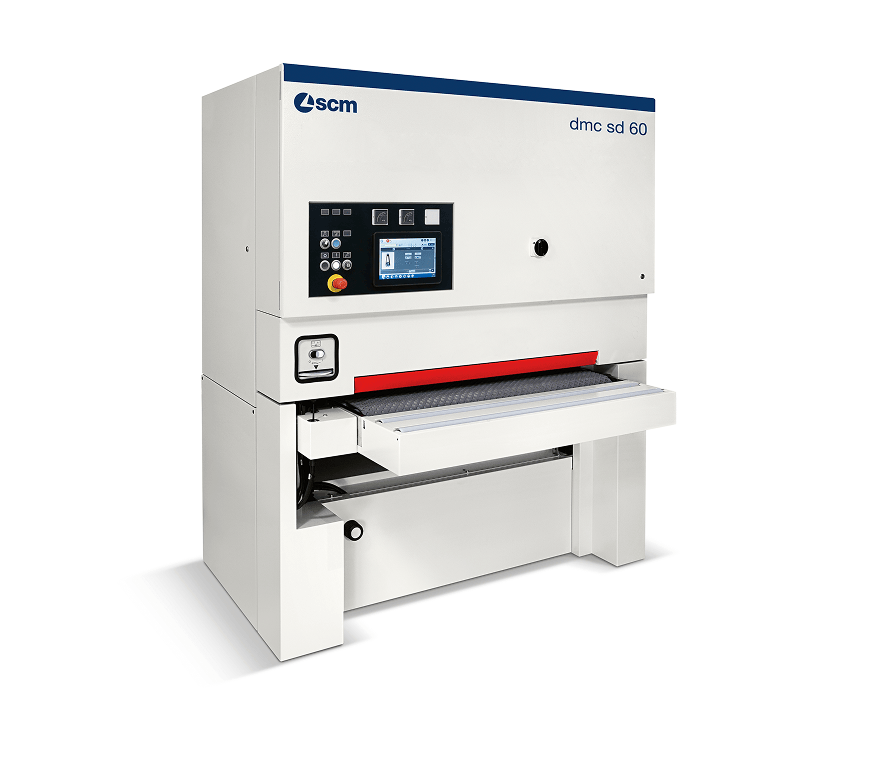
Single and multi-head through-feed sanding machines for solid wood, panels and composite materials.

From one-to-one solutions to complete workshop solutions, for hard wood, softwood and MDF dust control.

Vertical and horizontal panel borers for fitted furniture, kitchen, bedroom and bathroom manufactures.

Hollow chisel mortising machines designed to produce a square or rectangular mortise in solid timber.
Machinery Built for Your Industry
Every material and sector has its own challenges. We’ll help you select machinery proven in your industry, backed by expert advice and real-world application experience. Speak to our specialists today.
Enquire now

Latest News
More news


