
ISO 9001 Quality Management
Consistent, auditable processes delivering reliable quality and continual improvement
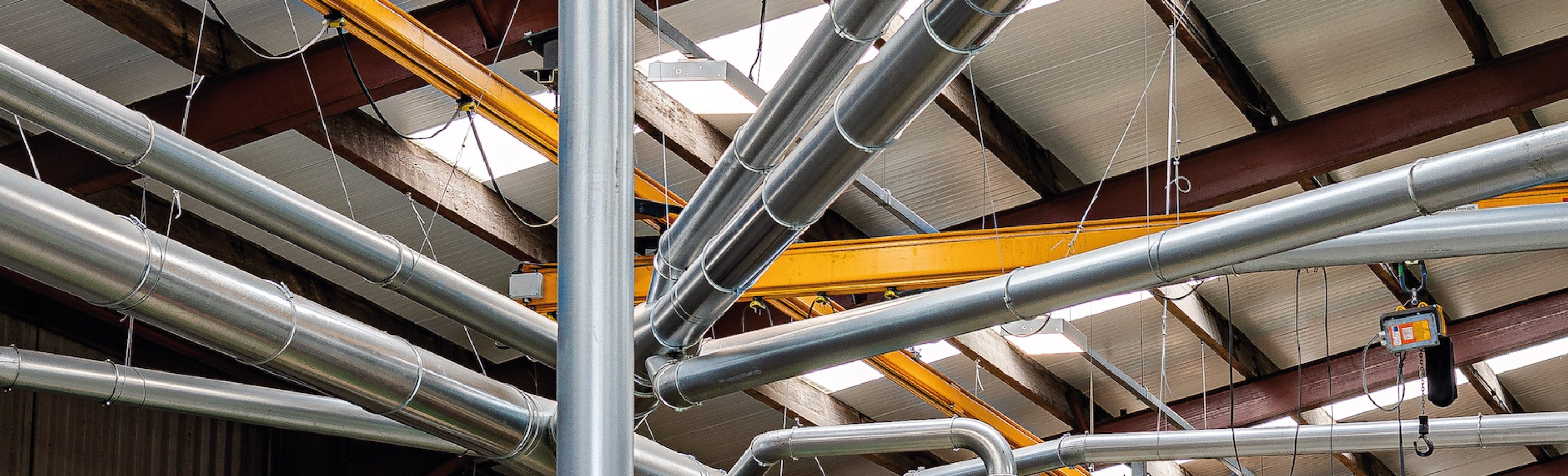
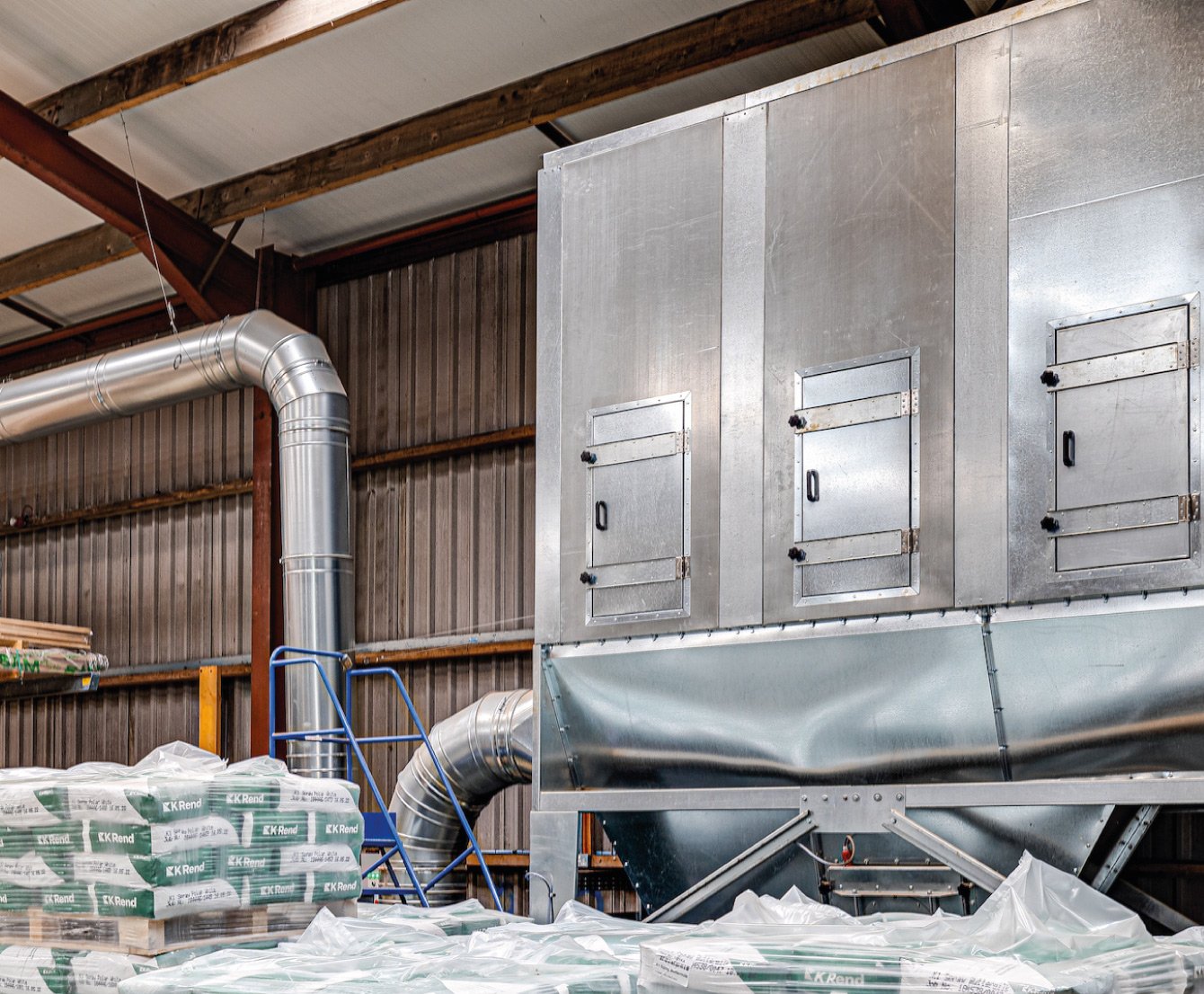
Daltons provides comprehensive Local Exhaust Ventilation (LEV) testing to help employers comply with COSHH regulations and maintain safe working environments.
Local Exhaust Ventilation systems play a vital role in controlling exposure to hazardous substances such as wood dust, metal fumes and airborne particulates. To remain effective, these systems must be regularly examined and tested.
Under COSHH regulations, employers have a legal duty to ensure LEV systems are maintained in efficient working order and tested at prescribed intervals.
LEV testing helps to:
Demonstrate compliance with COSHH and HSE guidance
Protect employees from harmful airborne contaminants
Confirm extraction systems are operating as designed
Identify deterioration, blockages or performance loss
Reduce long-term health risks such as respiratory illness
Avoid enforcement action, fines or operational disruption

Daltons’ LEV testing is conducted in accordance with HSE guidance HSG258 and follows a structured, documented process.
Each test typically includes:
Visual inspection of hoods, ducting, filters and fans
Measurement of airflow rates and capture velocities
Assessment against design criteria and HSE benchmark values
Identification of defects, wear or performance shortfalls
Clear written recommendations where improvement is required
Issue of a comprehensive test report

COSHH regulations require LEV systems to be thoroughly examined and tested at least once every 14 months. In some higher-risk environments, more frequent testing may be appropriate.
HSE guidance HSG258 sets out the expectations for testing methodology, reporting and record keeping.
HSE guidance:
“Employers must ensure that control measures, including LEV systems, are maintained in an efficient state, in efficient working order, in good repair and in a clean condition.”
Daltons delivers engineering and support services within regulated environments, supported by recognised certifications, audited systems and compliance-led processes.
Consistent, auditable processes delivering reliable quality and continual improvement

Structured environmental management promoting efficiency and responsibility

Proactive health and safety management protecting people and working environments

Verified health and safety compliance for contractors and service providers

Prequalified supplier meeting construction and public sector standards

Approved supplier for defence, aerospace and security supply chains

Government-backed protection against common cyber security threats
Whether you are approaching your statutory testing deadline or reviewing system performance, Daltons can help you remain compliant and protect your workforce.